

Marilyn Monroe on the Catwalk: How Designers Have Referenced the Blonde Bombshell
There are women who become icons, and then there are women who become myths. Marilyn Monroe belongs to the latter.
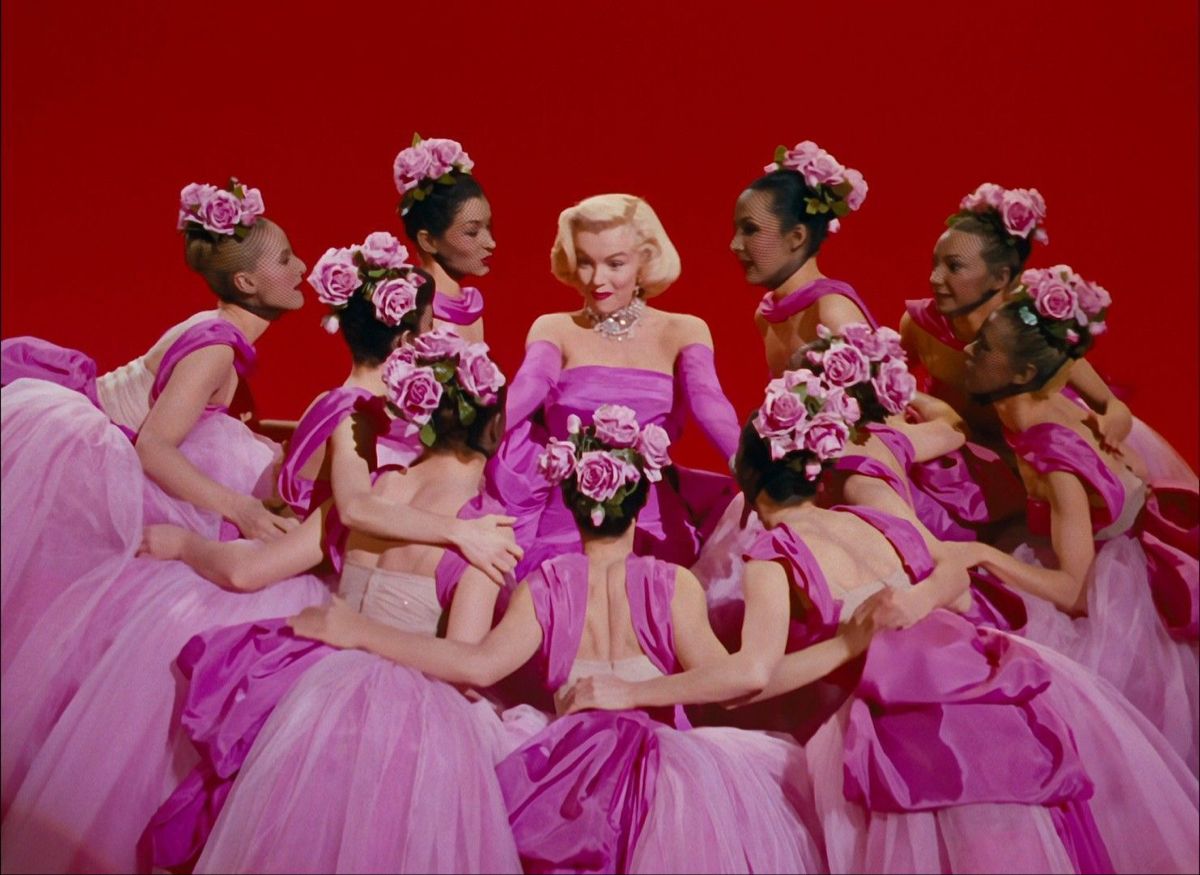
More than sixty years after her death, designers continue to summon her onto the runway. Not always literally. Sometimes it is the platinum hair. Sometimes it is a crystal-covered gown that catches the light just enough to remind us of that breathless Hollywood glow. Other times it is the silhouette itself—the exaggerated hourglass, the exposed shoulder, the deliberate softness that somehow feels more powerful than armor.
Fashion has never truly let Marilyn rest.
And perhaps that is because Marilyn Monroe was never just a woman. She became an idea.
Every few seasons, a collection arrives that feels haunted by her presence. Not because a designer recreated one of her famous looks, but because they borrowed the fantasy she represented. The fantasy of effortless beauty. The fantasy of being desired by everyone in the room. The fantasy of existing as both a person and a spectacle.
Yet what makes Marilyn so fascinating in fashion is that the industry often references her while simultaneously rejecting everything she actually was.
The modern runway frequently celebrates sharpness. Control. Distance. Models stare through the audience rather than at it. Designers speak of power dressing, authority, and structure.
Marilyn represented something entirely different. Her power came from vulnerability. Her femininity was not disguised beneath tailoring or hidden behind intellectualism. It was visible, undeniable, and impossible to separate from the public’s obsession with her.
Perhaps that is why designers keep returning to her. Fashion loves contradictions.
Marilyn was innocence and seduction. Strength and fragility.
Confidence and insecurity.
She was endlessly photographed yet famously misunderstood.
The industry’s most enduring muses are rarely simple, and Marilyn may be the most complicated muse of all.
When designers reference her today, they are often referencing a version of femininity that has become controversial. The bombshell. The siren. The woman who walks into a room and changes its atmosphere before saying a single word.
For decades, fashion attempted to distance itself from that archetype. The industry favored minimalism, androgyny, and intellectual coolness. Yet the pendulum always swings.
In recent years, runways have embraced glamour once again. Corseted silhouettes have returned. Old Hollywood beauty has resurfaced. Crystals sparkle across gowns like stardust. Hyper-femininity has become fashionable again, and with it comes Marilyn’s shadow.
But there is another reason her influence survives. Fashion understands performance.
No one understood performance better than Marilyn Monroe.
Norma Jeane became Marilyn Monroe through construction. Through styling. Through
image-making. Through transformation. Long before social media taught people how to curate themselves, Marilyn had already mastered the art of becoming a character.
In many ways, she was the original fashion project.
A woman whose public image became larger than reality.
A woman whose appearance became inseparable from her legacy.
A woman who discovered that beauty could open doors while simultaneously building cages.
That tension feels remarkably modern.
Today’s fashion landscape is filled with carefully crafted personas. Influencers, celebrities, models, and public figures all participate in a culture where image is currency. Marilyn experienced that phenomenon before most people could even articulate it.
Perhaps that is why she remains relevant. Not because of the white dress.
Not because of the red lipstick. Not because of the diamonds.
Fashion keeps referencing Marilyn Monroe because she represents a question the industry still cannot answer:
What happens when the image becomes more famous than the woman herself? The runway continues searching for the answer.
And somewhere between the sequins, the satin, and the flashbulbs, Marilyn Monroe continues to walk beside it.
Not as a trend.
Not as a costume.
But as fashion’s most beautiful ghost. You know you can’t get enough,
Mariah Waldorf
Editor-in-Chief, Overrated
Your Ad Goes Here
when an unknown printer took a galley of type and scrambled it to make a type specimen book.
Your Ad Goes Here
when an unknown printer took a galley of type and scrambled it to make a type specimen book.
Your Ad Goes Here
when an unknown printer took a galley of type and scrambled it to make a type specimen book.
Recommended For You
when an unknown printer took a galley of type and
scrambled it to make a type specimen book.