

The Beauty Industry’s Billion-Dollar Reality Check
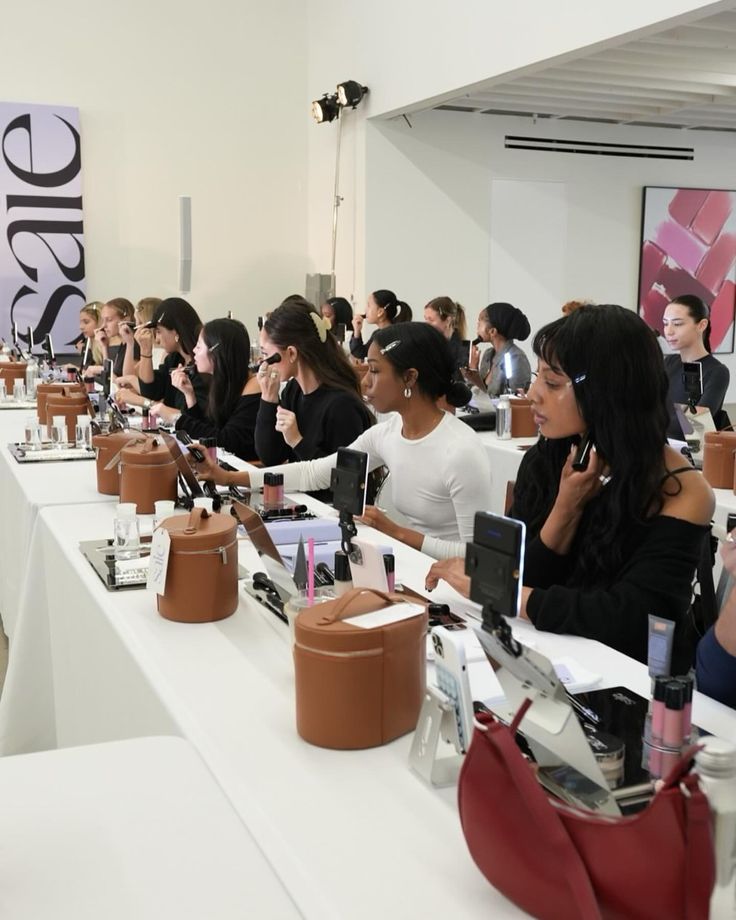
For years, the beauty industry seemed untouchable.
While other sectors wrestled with economic uncertainty, beauty continued to flourish, powered by viral products, social media trends, celebrity brands, and consumers’ seemingly endless appetite for self-improvement. But the latest rankings of the world’s largest beauty companies tell a more complicated story.
The beauty industry is still worth billions, yet beneath the glossy campaigns and perfectly curated product launches, many of its biggest players are navigating a period of profound transformation.
The numbers reveal a fascinating contradiction. Consumers remain obsessed with beauty, but growth is no longer guaranteed.
Industry leader L’Oréal maintained its dominant position with nearly $50 billion in beauty sales, reinforcing its status as the undisputed giant of the industry. Yet even the French powerhouse faced challenges, particularly within skincare and Asian travel retail markets.
The story repeats itself across the rankings.
Many of the industry’s most recognizable names experienced slower growth, declining sales, or significant leadership changes. Companies once accustomed to uninterrupted expansion are being forced to rethink their strategies as consumer habits evolve at a rapid pace.
The luxury beauty sector has been particularly revealing.
Prestige brands have long benefited from consumers’ willingness to spend more on fragrance, skincare, and cosmetics. Yet even luxury groups found themselves facing softer demand in key markets. The result has been a renewed focus on innovation, exclusivity, and storytelling rather than relying solely on brand heritage.
At the same time, the industry’s center of gravity continues to shift.
Digital commerce is no longer an advantage—it’s an expectation. Consumers discover products through TikTok, purchase through social media, and often trust creators more than traditional advertising campaigns. The beauty companies thriving today are those capable of adapting to a marketplace that moves faster than ever before.
Another clear trend emerging from the rankings is the growing importance of Asia.
Despite challenges in China and travel retail, the region remains one of the most influential drivers of beauty consumption. Companies that successfully navigate these markets continue to see opportunities for expansion, while those overly dependent on a single region face increasing pressure.
Meanwhile, beauty’s newest battlefield may be technology.
Artificial intelligence, biotechnology, personalized skincare, and data-driven product development are becoming central to long-term growth strategies. What was once an industry focused primarily on packaging and marketing is increasingly becoming one driven by science and innovation.
Perhaps the most surprising takeaway is that beauty’s future may belong to brands willing to evolve rather than simply preserve tradition.
The beauty giants that built their reputations decades ago are now competing in an environment shaped by digital natives, ingredient-conscious consumers, and rapidly changing cultural expectations. Heritage still matters, but agility matters more.
The beauty industry is far from slowing down. If anything, it is entering one of its most transformative periods yet.
Behind every lipstick launch, fragrance campaign, and skincare innovation lies a larger story—one of an industry learning that even billion-dollar brands must continue reinventing themselves to remain relevant.
Beauty may still be glamorous, but in 2026, adaptability has become the industry’s most valuable asset.
Your Ad Goes Here
when an unknown printer took a galley of type and scrambled it to make a type specimen book.
Your Ad Goes Here
when an unknown printer took a galley of type and scrambled it to make a type specimen book.
Your Ad Goes Here
when an unknown printer took a galley of type and scrambled it to make a type specimen book.
Recommended For You
when an unknown printer took a galley of type and
scrambled it to make a type specimen book.