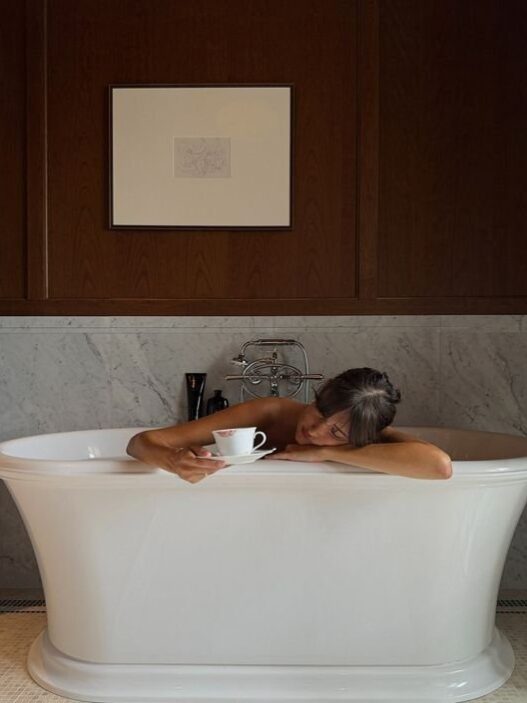








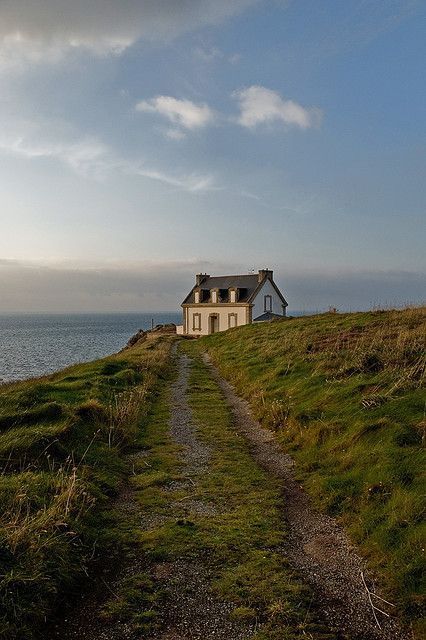
There was a time when solitude was treated like a diagnosis — something to fix, something to apologize for. Now, it’s quietly shaping itself into the new status symbol. Not because it’s trendy, but because people are finally admitting that constant access to everyone and everything is exhausting. The world is overstimulated, hyper-connected, and frankly, nosy. Pulling away has become less of a retreat and more of a power move.
Solitude used to evoke images of loneliness. Today, it looks like selective presence, curated privacy, and intentional distance. The people dominating the culture aren’t the loudest ones in the room — it’s the ones who can disappear without warning and come back sharper, clearer, and entirely unbothered. When everyone else is performing, the one who isn’t feels like a revelation.
Being alone has become aspirational because it’s the one thing you can’t fake. You can fake confidence, style, luxury, even personality. But you can’t fake peace. You either have it or you don’t. And people can feel the difference.
In an era that worships the hustle, those who know how to sit with themselves are redefining ambition. They’re cutting out people who drain them, declining invitations that don’t serve them, and choosing depth over noise. This isn’t isolation — it’s sovereignty. It’s the refusal to let the world consume you before you’ve even decided who you are.
Solitude isn’t running away. It’s returning — to clarity, to intention, to self-respect. And maybe that’s why it’s becoming the ultimate aspiration: because it’s the one luxury no one can buy, but everyone secretly craves.